How to avoid overpaying import duty (legally)
Most importers overpay duty through inertia, not fraud — a stale HS code, a missed trade preference, an unclaimed refund. The legal playbook to fix it.
February 19, 2026 · 10 min read
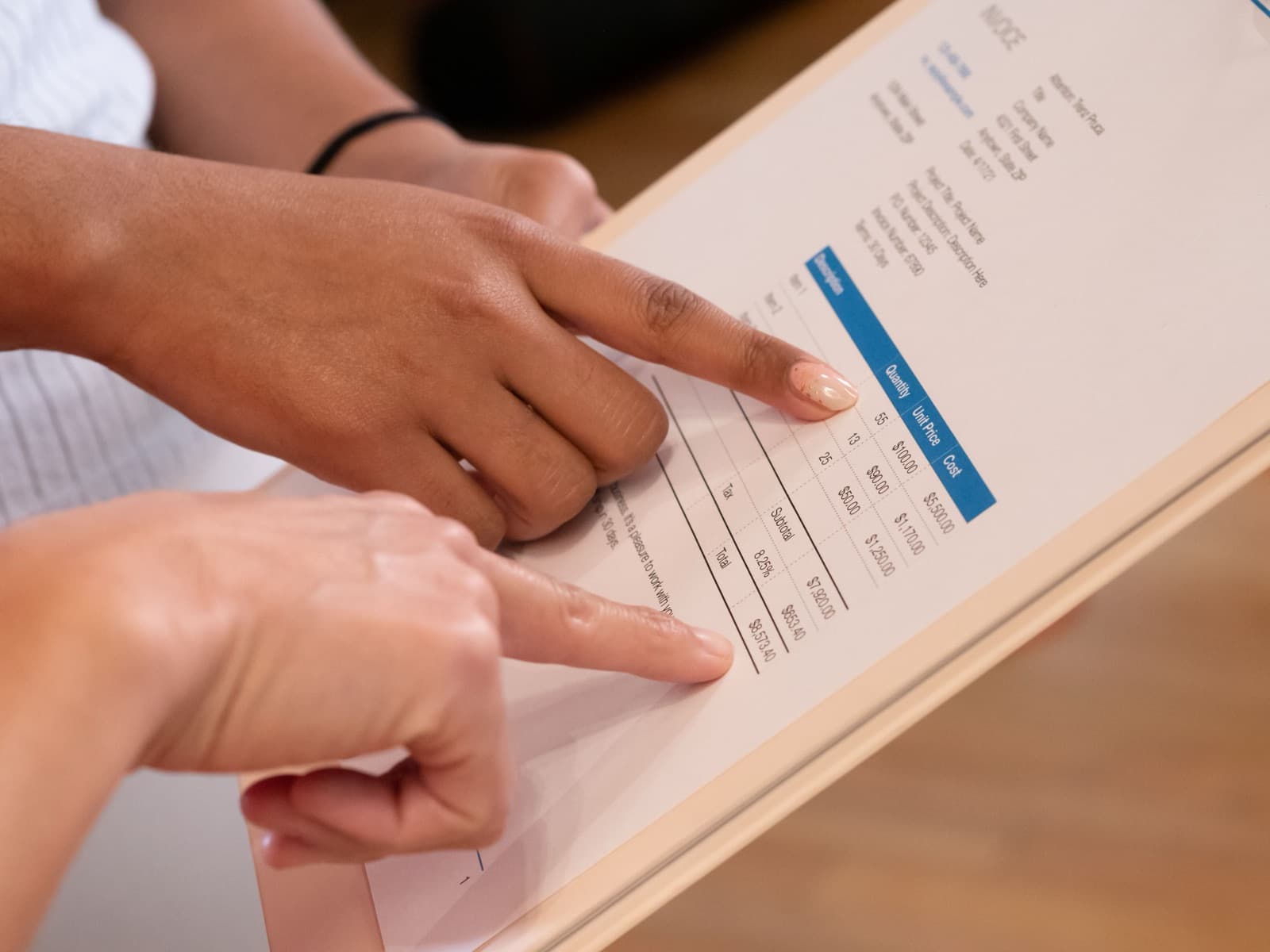
Photo by Kindel Media on Pexels
Overpaying duty is quieter than underpaying. Underpay and CBP eventually comes knocking, with interest and penalties attached. Overpay and nobody tells you — the money just leaks out, entry after entry, for years, and the only person who notices is whoever eventually audits your customs file. The good news is that every fix on this page is entirely legitimate. None of it involves hiding anything from customs; it's about making sure you're not volunteering money you don't owe.
This guide covers the six real levers importers have for paying less duty without breaking a single rule: fixing your classification, claiming trade preferences you already qualify for, getting your customs valuation right, correcting entries you've already filed, claiming drawback on duty you've already paid, and watching for rate changes before they cost you. We'll also walk through a case that shows how much a stale classification can actually cost over time.
Why do importers overpay duty in the first place?
Most overpayment isn't a single bad decision. It's a classification set once, years ago, by a broker or a supplier who has since moved on, and then copied forward on every entry since without anyone checking it against the current schedule. Tariff schedules get amended. Products change slightly — a new fabric blend, a different fastening, an added component — without anyone updating the code that describes them. And trade preference programs exist that nobody on the team knew to check.
None of this is dramatic. It's administrative drift, and it compounds. A product classified one heading too high can carry several extra percentage points of duty on every single shipment, for years, and the number never appears anywhere as a single shocking loss — it's just slightly worse margins on everything, quietly, forever.
A case in point: the furniture importer who paid the wrong rate for two years
A mid-size furniture importer on the East Coast — call it a 20-person operation bringing in upholstered dining chairs from Vietnam — had been classifying its chairs under a heading for wooden furniture, inherited from a code the original supplier used on the commercial invoice. Nobody had questioned it since the account was set up. When the company finally ran a classification review as part of a routine compliance check, it found that the chairs, being predominantly upholstered with only a wood frame, more accurately belonged under a different heading for upholstered seats — one that carried a noticeably lower general rate.
Over roughly two years and around 40 entries, the gap between the rate they'd been paying and the rate that actually applied added up to a five-figure sum. Some of it was recoverable through a protest on entries still inside the statutory window; the rest, on older liquidated entries, was gone for good. The company's broker now re-verifies classification annually against the current schedule instead of assuming last year's code still holds. That single habit change is the cheapest insurance a mid-size importer can buy.
This is optimisation, not evasion. Every technique on this page is about paying the correct legal rate — misdeclaring origin, value or classification to dodge duty is customs fraud, and it carries real penalties. If a lever below sounds like it's letting you pay less than the true rate for your product, that's not what it does.
Start free1. Verify your classification — codes drift
The single most common cause of overpayment is a wrong or outdated HTS code. It's usually inherited — from a supplier's paperwork, from a broker's shortcut years ago, from a previous employee who is no longer around to explain the reasoning. Re-classify your top-volume imports from scratch, working from the product's actual material, construction and function rather than its old code, and check whether a more specific, and lower-rated, ten-digit line applies.
Re-classify a product from its description and compare the rate against what you're currently paying.
Re-check my HS code2. Check for free-trade and preference programs
The HTS's "Special" column lists preferential rates for goods that qualify under a free-trade agreement or a preference program. If your product's origin qualifies and you can document that it does, you may be entitled to a reduced rate — sometimes zero — instead of the general Column 1 rate that applies by default. A surprising number of importers pay the general rate simply because nobody checked whether the Special column applied to them.
- Confirm the country of origin under the applicable rules of origin — not just the country you shipped from.
- Check whether a trade agreement or preference program covers that origin and that specific product.
- Make sure you can document eligibility with the right certificates and origin criteria on file.
- Claim the preferential rate on entry — it is never applied automatically by CBP.
Country of origin for tariff purposes isn't always where the box shipped from — it's usually where the product last underwent "substantial transformation," a legal test with its own body of rulings. Get that determination wrong in either direction and you either miss a preference you're entitled to, or you claim one you're not, which is its own compliance problem.
Understand how customs actually determines origin — and why it isn't just the shipping label.
Read: how country of origin works3. Get the customs value right
Duty is charged as a percentage of customs value, so an inflated dutiable value inflates the duty owed on every affected entry. Certain charges can legitimately be excluded from the dutiable value when properly itemised — international freight and insurance under the applicable valuation method, and genuine quantity or trade discounts, for example. The rule cuts both ways: don't roll costs into the declared value that don't belong there, and equally, never understate the value to reduce duty, which is customs fraud regardless of intent.
Assists are a common blind spot. If you supplied tooling, dies, moulds, or design work to your overseas manufacturer free of charge or below cost, the value of that assist generally has to be added back into the dutiable value of the goods it helped produce. Missing an assist you should have declared is an understatement risk; over-attributing costs that shouldn't be dutiable is an overpayment risk. Both are worth getting a broker to check line by line if your value calculation is anything but simple.
What's the fastest way to check whether I'm overpaying duty right now?
Run your top five imported products, by volume or value, through a full landed-cost calculation using their actual customs value, freight and current duty rate, then compare that to what you actually paid on your last several entries. A gap between the two — in either direction — is your signal to dig into classification, origin, or valuation before it repeats on the next shipment.
Run the full landed cost on a product and see exactly what you should be paying today.
Calculate landed cost4. Reclaim overpayments you've already made
If you discover you've been overpaying, in many cases you can still recover it — but the clock is running the moment the entry is filed. A Post Summary Correction (PSC) lets you fix most data elements on an entry summary, including classification and value, before it liquidates. Once an entry has liquidated, a protest under 19 U.S.C. § 1514 lets you formally challenge CBP's decision, but you generally have 180 days from liquidation to file it — miss that window and the entry is final, correct or not.
- Post Summary Correction: available before liquidation, covers most entry-summary data elements, filed electronically through your broker or ABI filer.
- Protest: available after liquidation, generally within 180 days, for entries you believe CBP liquidated incorrectly.
- Duty drawback: a refund of duties already paid on imported goods that are subsequently exported, destroyed, or used to manufacture an exported product — often the largest single recovery available to importers who re-export.
CBP's own guidance sets out exactly which entry data elements a PSC can correct and how the 180-day protest window is calculated — worth reading before you file either one.
See CBP entry correction guidanceDrawback in particular is underused. It exists specifically so companies that import components, assemble or process them, and export the result aren't double-taxed by both the country of import and the country of final sale. The paperwork is real work — substitution drawback in particular has detailed matching and recordkeeping requirements — but for a business with meaningful re-export volume, it can be worth pursuing as a standing program rather than a one-off claim.
A full walkthrough of who qualifies for drawback, which type to file, and how the claim process works.
Read: duty drawback, how to claim itMost of the refund money importers leave on the table isn't from some obscure loophole — it's PSCs and protests that never got filed because nobody was watching the liquidation date. By the time someone notices the overpayment, the window's already closed on half of it.
5. Watch your codes for changes
Tariffs move constantly. A Section 301 exclusion opens or expires, a Section 232 derivative list adds or drops a product, a Chapter 99 provision changes, or a ten-digit line simply gets renumbered in an annual HTS revision. Any of these can mean you're suddenly paying the wrong rate — sometimes too much, sometimes too little, and either direction is a problem worth catching quickly. The current landscape for Section 301 and Section 232 measures in particular changes often enough that a rate you verified six months ago should not be assumed still current — always re-check the official schedule before filing.
A step-by-step guide to checking whether a Section 301 exclusion applies to your product before you assume the higher rate is fixed.
Read: how to check Section 301 exclusionsSection 301, 232 and other trade-remedy changes are published as formal notices before they take effect — this is the primary source, ahead of any trade-press summary.
Search the Federal RegisterTrack the specific codes and lanes you import and get alerted the moment a rate changes.
Set up tariff alertsLegitimate duty-reduction levers at a glance
| Lever | What it does | Where to check or act |
|---|---|---|
| Reclassification | Corrects a wrong or outdated HTS code to the rate that actually applies to your product. | USITC Harmonized Tariff Schedule; PortRobin HS code finder |
| FTA / preference programs | Claims a reduced or zero rate for goods that qualify by origin under a trade agreement. | HTS "Special" column; origin documentation on file with your broker |
| Customs valuation review | Removes non-dutiable charges from declared value; catches missed or over-attributed assists. | Entry summary value build-up, reviewed with your customs broker |
| Post Summary Correction | Fixes an entry's classification, value or other data before it liquidates. | Filed electronically before the liquidation date, via your ABI filer |
| Protest (19 U.S.C. § 1514) | Formally challenges a liquidated entry you believe was decided incorrectly. | CBP, generally within 180 days of liquidation |
| Duty drawback | Refunds duty already paid on goods that are re-exported, destroyed, or used to make an exported product. | CBP drawback claim, filed with supporting export/manufacturing records |
| Ongoing tariff monitoring | Catches Section 301/232 changes and HTS renumbering before they cost you on the next entry. | Federal Register notices; PortRobin tariff alerts |
How often should I re-check my HS codes and rates?
At minimum, once a year for every product line you import in volume, and immediately whenever a product's material, construction or sourcing changes even slightly. Tariff schedules are typically revised annually, and Section 301/232 measures change on their own schedule throughout the year — a code you verified last January is not guaranteed to carry the same rate this January. Building an annual classification review into your compliance calendar is the single habit that would have caught the furniture importer's misclassification in month one instead of year two.
The habit that prevents overpayment
- Classify from the product's real material, construction and function, to the full ten digits, at least once a year.
- Check the HTS "Special" column for a trade preference you qualify for, and keep the origin documentation to prove it.
- Confirm the declared customs value includes only what belongs in it — no more, no less.
- Run the full landed cost so you see duty, MPF, HMF and freight together, not duty in isolation.
- File a Post Summary Correction or protest promptly when you find an error — the clock doesn't pause.
- Claim drawback if you re-export, destroy, or manufacture for export from imported components.
- Watch the specific codes and lanes you use so a rate change reaches you before your next filing does.
Is it legal to reduce the import duty I pay?
Yes — reducing duty through correct classification, legitimate trade preferences, accurate valuation, and proper refund claims is entirely legal. What's illegal is misdeclaring classification, origin or value to pay less than the true rate; the techniques in this guide are about paying the correct rate, not less than it.
How do I know if I've been overpaying import duty?
Compare the duty you've actually paid on recent entries against a fresh landed-cost calculation using the product's current, correctly verified HTS classification, origin and value. A gap usually points to an outdated classification, an unclaimed trade preference, or a valuation error worth investigating with your broker.
What's the difference between a Post Summary Correction and a protest?
A Post Summary Correction (PSC) fixes an entry before it liquidates, while a protest under 19 U.S.C. § 1514 formally challenges an entry after liquidation, generally within 180 days. Use a PSC if the entry hasn't liquidated yet, since it's the faster and simpler of the two routes.
Can I claim duty drawback on goods I imported years ago?
Drawback claims are subject to their own statutory time limits tied to the export or destruction date, not the original import date, so older imports can still qualify if the re-export happened within the applicable window. Check the current drawback regulations or ask a licensed customs broker for the exact deadline that applies to your claim type.
Does a lower duty rate always mean I'm classified correctly?
No — classification has to match the product's actual material, construction and function regardless of which rate is lower, and choosing a code because it carries a better rate rather than because it's accurate is a compliance risk, not a saving. If a genuinely more accurate code also happens to carry a lower rate, that's a legitimate correction; picking the lower rate first and working backwards to justify it is not.
Rates and program rules move — always confirm your specific classification and any Section 301/232 measures against the schedule of record before you file.
Open the USITC HTSNone of this is legal, customs, or tax advice, and nothing PortRobin returns is a binding customs ruling — for a legally certain answer, use a CBP ruling or a licensed customs broker. But spending an hour verifying your own numbers, on a regular schedule, is one of the highest-return habits an importer can build.
Classify a product, check preference eligibility, and see the full landed cost in one pass.
Check my duty rate free