Is $800 De Minimis Still Available? What Changed in 2025–26
No — de minimis is suspended worldwide, with elimination due 2027-07-01. The full timeline, what it means for Entry Type 86 filers, and what to do now.
July 6, 2026 · 9 min read
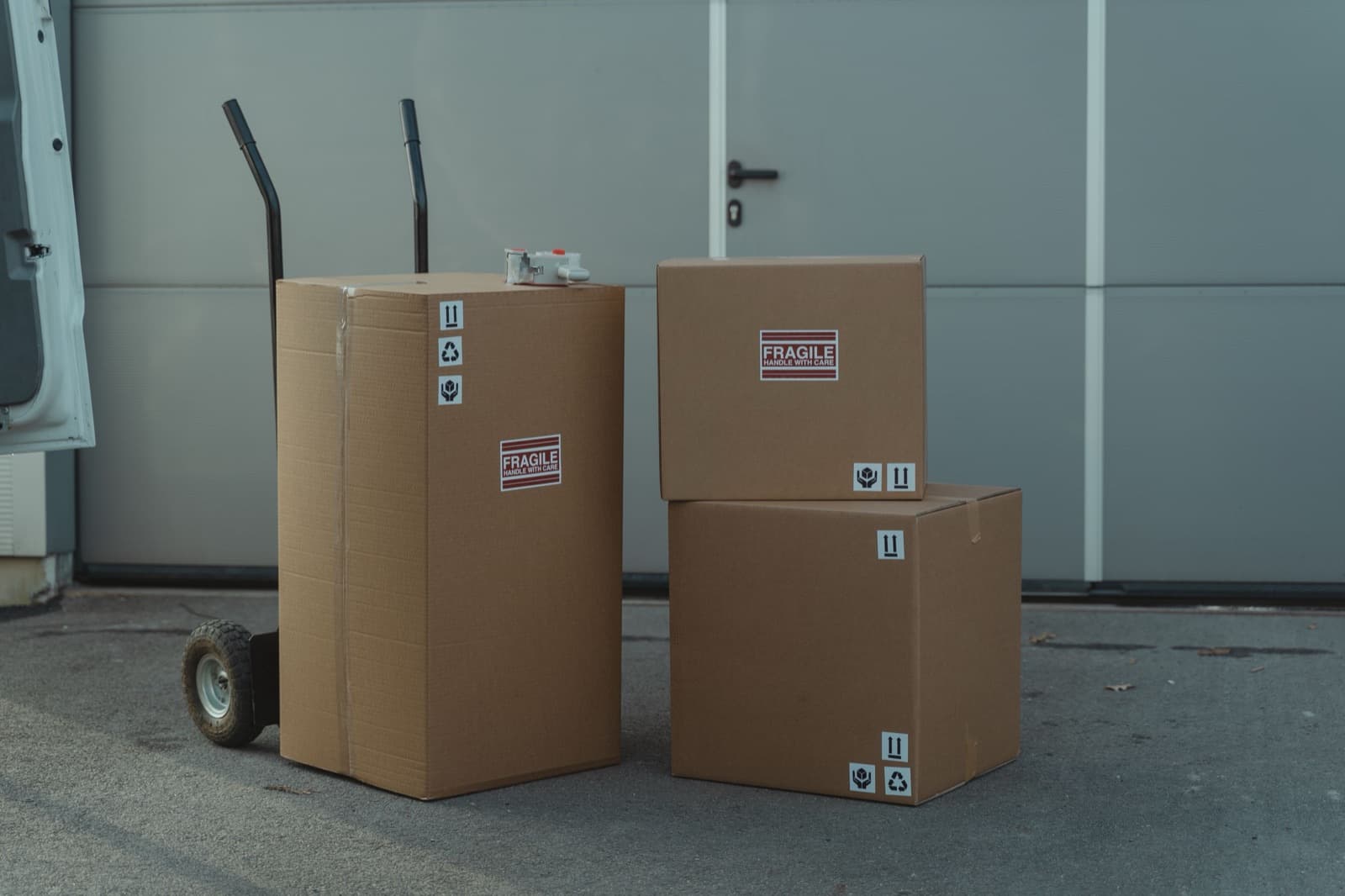
Photo by Tima Miroshnichenko on Pexels
Short answer first: no, the $800 de minimis exemption is not currently available for any origin. As of this writing it is suspended worldwide, the suspension is indefinite, and the exemption itself is due to be eliminated by statute on 2027-07-01. If you are still pricing or filing shipments as if sub-$800 parcels enter duty-free by default, that assumption is out of date and could cost you at the port.
For close to a decade, de minimis was the quiet engine behind cheap, fast cross-border shipping. A parcel under the threshold moved with almost no customs friction and no duty bill. Between May 2025 and June 2026, that engine was switched off in stages, and the rest of this piece walks through exactly when, why, and what any importer or small shipper should do about it now.
What de minimis was
Section 321 of the Tariff Act, codified at 19 U.S.C. 1321, lets CBP admit a shipment of articles imported by one person on one day, fairly valued at or below a set threshold, free of duty and tax. Congress raised that threshold to $800 in 2016 under the Trade Facilitation and Trade Enforcement Act — one of the highest de minimis values anywhere in the world, and roughly sixteen times the EU's equivalent limit at the time. The logic was administrative, not generous: assessing formal duty on a single $40 phone case costs CBP more in processing time than the duty is worth.
CBP built a dedicated electronic filing lane for these shipments, generally referred to as Entry Type 86. It let carriers and brokers submit a light data set through the Automated Commercial Environment (ACE) instead of a full formal or informal entry, even though no duty was owed. That lane is what made same-week delivery of a $12 phone case from overseas viable at scale — CBP has publicly cited daily Entry Type 86 volumes in the millions at the programme's peak.
De minimis was never a loophole by design — it was a deliberate simplification for genuinely low-value, one-off parcels. What changed in 2025 was policymakers deciding that, at the volume it had reached, it had become a channel worth closing for certain origins, then for all of them.
Start freeIs the $800 de minimis exemption still available?
No. As of the most recent suspension, no shipment from any origin qualifies for duty-free de minimis treatment under Section 321, regardless of value. That is a change from the position through early 2025, when the exemption still applied to most countries even as scrutiny on China-origin parcels was building. The suspension is indefinite rather than time-limited, and a separate statutory change is scheduled to remove the exemption from the law itself on 2027-07-01, which would make the current suspension permanent even if a future administration wanted to reverse course.
It is worth being precise about what "suspended" means. The $800 threshold has not been repealed from the statute yet — that happens on the 2027 date. What has already happened is that CBP, acting on presidential authority, has removed the duty-free treatment those shipments would otherwise get. A parcel that used to sail through as Entry Type 86 now typically needs a formal or informal entry instead, with the applicable duty — including any Section 301, 232 or 122 measures — assessed against it.
Because this is a live executive action, not a settled statute, check the current status before you rely on it.
CBP: de minimis / Section 321The de minimis suspension timeline
The rollout happened in four distinct steps over roughly fourteen months, and the order matters — it shows the policy moving from a China-specific measure to a universal one rather than arriving all at once.
| Date | What changed |
|---|---|
| 2016 | Congress raises the de minimis threshold to $800 under the Trade Facilitation and Trade Enforcement Act. |
| 2025-05-02 | De minimis duty-free treatment suspended for shipments originating in China and Hong Kong, the two origins that accounted for the largest share of low-value parcels. |
| 2025-08-29 | Suspension extended to shipments from every other origin, closing the option of rerouting parcels through a third country to keep de minimis treatment. |
| 2026-06-24 | The suspension is made indefinite, with no scheduled expiry or review date attached. |
| 2027-07-01 | Statutory elimination of the de minimis exemption itself takes effect, removing it from the underlying law rather than just suspending its use. |
Notice the gap between the China/Hong Kong step and the all-origin step: almost four months. A lot of sellers assumed that gap meant "shipping from Vietnam or the EU is still safe" — it wasn't a permanent gap, just a staggered rollout.
Start freeWhat changed for Entry Type 86 filings
Entry Type 86 was built specifically to move low-value, duty-free parcels through ACE with minimal data. With duty-free treatment suspended, a shipment that would have used that lane generally moves through formal or informal entry instead — more data fields, a duty calculation against the correct HTS line, and, depending on value, potentially a customs bond. Carriers and platforms built around Entry Type 86's lighter requirements have had to rebuild those pipelines from scratch.
Not sure which entry type your shipment now needs, or what the practical difference is in paperwork and cost? Read the full comparison.
Entry Type 86 vs formal entryWho is affected by the de minimis suspension
- Direct-to-consumer sellers shipping small parcels internationally — China and Hong Kong felt it first, but the suspension is now global regardless of origin.
- Marketplaces and fulfilment platforms that built pricing and checkout flows around duty-free sub-$800 parcels.
- Anyone who was splitting a single order into several parcels to keep each one under the threshold — a practice CBP already treated as a red flag before the suspension, and one that no longer has a de minimis benefit to chase.
- Buyers who previously saw no duty line on sub-$800 purchases and may now see one, or see the seller quietly absorb it into the sale price instead.
Customs brokers describe the shift bluntly in trade webinars: clients who built a five-year business model on a duty-free assumption are now re-pricing everything from a $9 phone case to a $400 bicycle, because the exemption they priced against no longer exists for their origin.
How is DDP shipping affected by the de minimis change?
Many sellers reacted by moving to Delivered Duty Paid (DDP) terms, where the seller — not the buyer — is the importer of record and pays the duty upfront, folding it into the listed price so checkout still looks simple. That keeps the customer experience close to what it was under de minimis, but it shifts who is legally on the hook for classification accuracy and who carries the compliance risk if a shipment is mis-declared.
DDP vs DDU, explained plainly: who pays the duty, who takes the compliance risk, and which one fits a small e-commerce operation.
What is DDP shipping, and who pays duty?What to do if your business relied on de minimis
Take an Austin-based accessories brand shipping phone grips and cases from Vietnam as an example. Before the suspension, a typical order — say $28 retail, three items — cleared under Entry Type 86 with no duty line at all. After the all-origin suspension, that same order needs a real HTS classification and a duty calculation, even though the value is nowhere near a big commercial shipment. Multiply that by several thousand orders a month and the margin hit is not trivial. The honest first move is to re-run unit economics with duty included: classify products to their real HTS lines rather than guessing, look up the base ad valorem rate, and layer on any Section 301 or 232 measures for the country of origin. A product that was effectively duty-free as a small parcel may now carry the full tariff stack a commercial shipment would — better to find that out in a spreadsheet than at a customs hold.
Check whether a shipment still qualifies for de minimis treatment and, if it doesn't, what duty applies instead.
Check de minimis statusSplitting one order into several smaller parcels to dodge duty was never a real strategy, and it matters even less now. CBP aggregates shipments imported by one person on one day, and structuring imports to evade duty is a customs violation in its own right — independent of whatever de minimis policy happens to say this quarter.
Start freeDe minimis vs formal and informal entry: the practical difference
Informal entry generally covers shipments valued up to $2,500 for most commercial goods — simpler than formal entry, but it still requires a duty assessment where duty is owed, unlike the old duty-free de minimis lane. Formal entry applies above that threshold, or where the product type requires it regardless of value, and typically needs a customs bond. For a business used to Entry Type 86's near-zero friction, informal entry is the closer landing spot for most parcels now, but it still means real classification work and a real duty bill that did not exist under de minimis.
If duty is now showing up on shipments that used to be duty-free, this is the practical guide to not overpaying it once you're in the formal system.
How to avoid overpaying import dutyFor the full plain-English definition of the exemption, the $800 threshold, and how Section 321 fits into the broader customs system.
Learn: de minimisWhere this is likely headed
The direction of travel is consistent even though the legal mechanism has shifted more than once: away from a broad duty-free exemption and towards treating every commercial shipment, however small, as dutiable. The 2027-07-01 statutory elimination date is the clearest signal — it converts what started as an executive suspension into a change in the underlying law. Whether that date holds is genuinely uncertain, and any of the 2025 suspension steps could in principle be adjusted again before then.
Track official notices on de minimis and Section 321 directly at the source rather than relying on secondhand summaries.
Federal Register: search noticesUSTR publishes the trade-policy context behind these decisions, including how they connect to Section 301 actions on the same origins.
USTR: trade policy updatesThe bottom line
De minimis is no longer the reliable duty-free lane it was for parcels from any origin, and treating it as still available is now the exception you'd need to prove, not the default you can assume. Verify the current status against CBP before you file, price your products on their true landed cost rather than an exemption that may not apply, and build your operations around formal or informal entry as the normal path rather than the fallback. Nothing in this article is legal, customs, or tax advice — confirm your specific situation with CBP or a licensed customs broker before you act on it.
Is the $800 de minimis exemption still available in 2026?
No. De minimis duty-free treatment is suspended for shipments from every origin as of the 2025-08-29 all-origin suspension, and that suspension was made indefinite on 2026-06-24. Check CBP's current guidance before assuming any shipment qualifies.
When did de minimis get suspended for China and Hong Kong?
De minimis was suspended for goods from China and Hong Kong on 2025-05-02, several months before the suspension was extended to every other origin on 2025-08-29. China and Hong Kong were targeted first because they accounted for the largest share of low-value parcel volume.
Will de minimis come back after the suspension?
It's unlikely on current policy: a statutory elimination of the exemption is scheduled for 2027-07-01, which would remove it from the underlying law rather than leave it suspended and reversible. Until that date, the suspension itself could still be adjusted by executive action, so the position is not fixed.
What is Entry Type 86 and does it still exist?
Entry Type 86 is CBP's electronic entry type built for low-value Section 321 shipments, letting them move through ACE with lighter data requirements than a full entry. The filing type itself still exists, but with duty-free treatment suspended for every origin, most shipments that used to qualify now need a formal or informal entry instead.
Do I still need to declare a shipment under $800?
Yes. Even though the $800 figure is historically associated with duty-free treatment, every commercial shipment still needs to be declared to CBP on entry, and with de minimis suspended, most sub-$800 parcels now need a duty assessment as part of that declaration rather than automatic duty-free clearance.
Model the real duty on your products so your pricing survives a de minimis change instead of being built on an exemption that may not apply.
Calculate landed cost