Auto parts tariff: Section 232's 25% explained
Section 232 added a tariff on cars and auto parts, but not every part on your invoice is in scope. How the measure works, and how to check your line.
July 11, 2026 · 10 min read
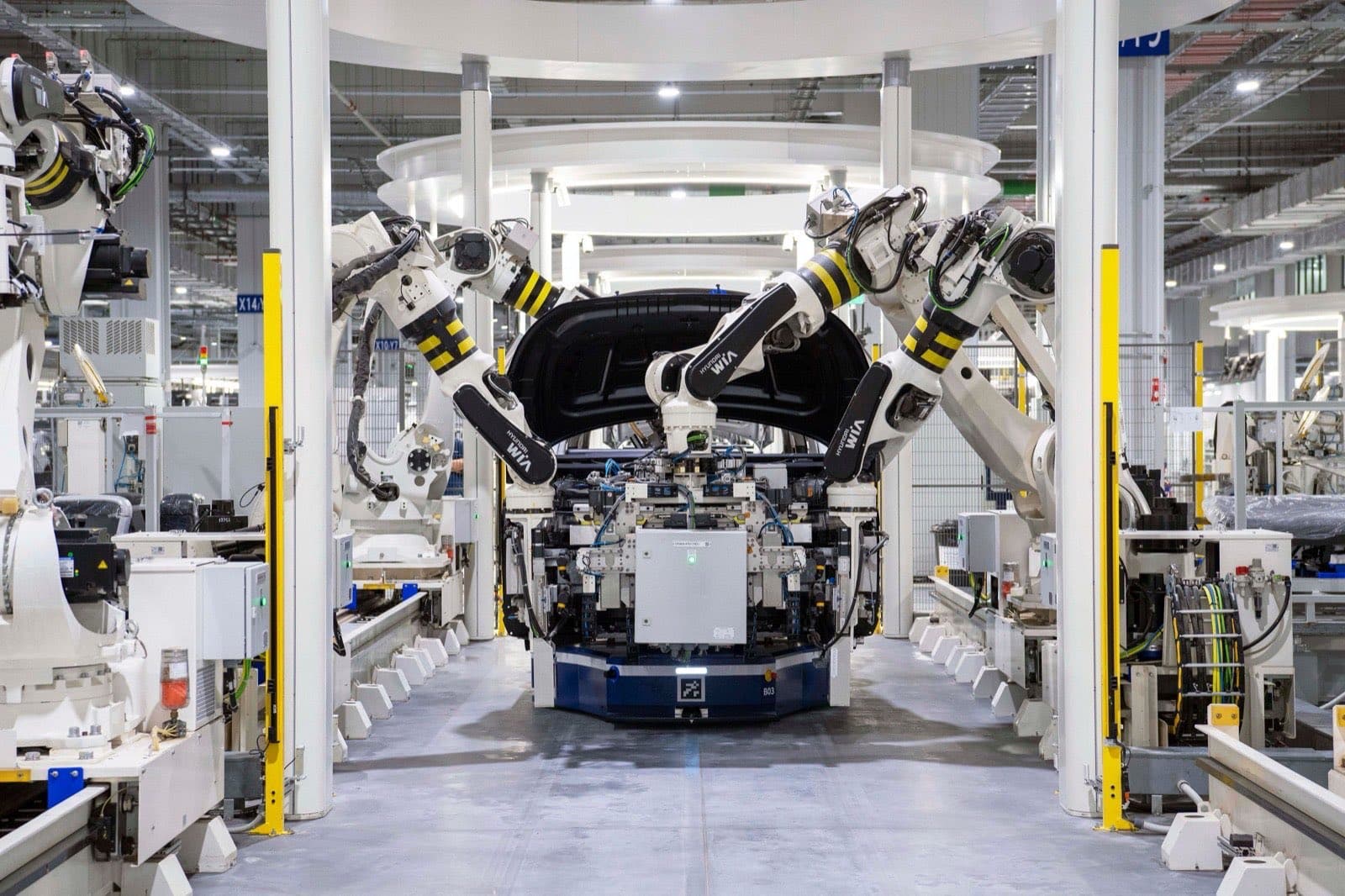
Photo by Hyundai Motor Group on Pexels
A small auto shop in Ohio orders a batch of aftermarket suspension arms from a supplier in Thailand. The invoice lands, the shop owner braces for a 25% national-security tariff they read about somewhere, and then the customs broker comes back with a much smaller number. The part in question turned out not to be on the covered list at all — it carried its ordinary base HTS rate and nothing else. That gap between what importers assume about auto parts tariffs and what actually applies line by line is the whole subject of this guide.
What is the Section 232 auto and auto-parts tariff?
Section 232 of the Trade Expansion Act of 1962 lets the Commerce Department investigate whether a category of imports threatens national security, and lets the President act on that finding by proclamation. Commerce opened an investigation into automobiles and automobile parts, found grounds for action, and the resulting measure added a tariff on covered passenger vehicles, light trucks, and a defined list of auto parts. The headline figure widely reported at launch was 25% on covered vehicles and parts, layered on top of whatever base duty already applied.
That is a different legal tool from the Section 301 China tariffs, which attach to origin. Section 232 attaches to the product category and, for autos, to a specific list of covered parts — it does not matter whether the part comes from China, Mexico, Germany or Vietnam if the part itself is on the list, subject to any country-specific arrangement in place at the time.
Section 232 for autos was built as a vehicle-and-parts measure, not a blanket tariff on anything automotive. Scope is defined by specific HTS lines named in the proclamation and its Chapter 99 modifications — a part being 'car-related' does not automatically put it in scope.
Start freeWhich auto parts are actually covered?
This is where most of the confusion sits. The auto-parts measure was written around a defined list of covered parts — broadly, components like engines, transmissions, powertrain parts, and a range of other named parts used in the assembly of passenger vehicles and light trucks. It was never intended to sweep in every bolt, gasket or trim clip that happens to end up on a car. Whether your specific part is on the list depends on its exact classification and the current text of the proclamation and any Federal Register modifications since.
Many importers see "auto parts tariff" in a headline and assume every part they bring in from overseas now carries an extra 25%. In practice, a large share of aftermarket and replacement parts fall outside the Section 232 list and are only ever subject to their ordinary base HTS duty, plus Section 301 if the origin is China, plus any reciprocal tariff that applies to that origin. Conflating those separate measures is the single most common costing mistake we see on auto parts shipments.
See how auto parts classify and what duty layers typically apply to the category.
Auto parts import dutyWhere do auto parts sit in the HTS?
Most motor-vehicle parts and accessories classify somewhere under HTS heading 8708 — "Parts and accessories of the motor vehicles of headings 8701 to 8705." That heading covers a wide range of subheadings: bumpers, brake parts, gearboxes, suspension components, body parts, and more, each with its own eight- or ten-digit line and its own base ad valorem rate. But 8708 is a general area, not a single tariff outcome. Two parts that both classify under 8708 can carry different base rates, and only one of them might sit on the Section 232 covered-parts list.
A handful of auto components classify outside 8708 entirely — electrical parts often sit in heading 8544 or 8511, glass in 7007, tyres in 4011, batteries in 8507. If you are sourcing electric-vehicle components specifically, the classification picture gets more varied still: battery packs, motors, and power electronics can land in several different chapters depending on exactly what the part does, and each one needs its own check against the covered list rather than an assumption based on the finished vehicle's status.
| Part type | Typical HTS heading | Likely Section 232 exposure |
|---|---|---|
| Engine assembly / engine parts | 8408, 8409 | Often covered — verify against the current proclamation list |
| Transmission / gearbox | 8483, 8708.40 | Often covered — verify against the current proclamation list |
| Brake pads, rotors, calipers | 8708.30 | Mixed — check the specific subheading, not just the heading |
| Suspension arms, bushings | 8708.80 | Frequently outside scope, but confirm — many are base-rate only |
| Bumpers and body panels | 8708.10, 8708.29 | Frequently outside scope, but confirm — many are base-rate only |
| Wiring harnesses | 8544.30 | Usually outside the auto-parts list — check separately |
| EV battery packs / cells | 8507.60 | Distinct measure — treat separately from the auto-parts 232 list |
| Windshields / auto glass | 7007.11, 7007.21 | Usually outside the auto-parts list — check separately |
That table is a starting orientation, not a filing reference. HTS subheadings run to ten digits and the covered-parts list is defined by exact tariff lines in the proclamation and its Chapter 99 amendments — a part one digit away from a listed line can have a completely different outcome. Confirm your exact classification and current scope before you rely on it for a customs entry.
Start freeWho does this actually affect?
Three groups run into this most often. Aftermarket parts importers bringing in replacement components from Asia or Europe need to know, part by part, whether each SKU sits on the covered list — a catalogue of 200 SKUs might have twelve genuinely exposed lines and 188 that are not. Small independent auto shops that source overseas directly, rather than through a domestic distributor, often assume the worst and either overprice repairs to cover a tariff that does not apply, or get blindsided by one that does. And EV component importers face an added layer of complexity, because battery, motor and electronics classifications sit partly inside the auto-parts framework and partly under separate rules for batteries and electronics, so a single EV drivetrain shipment can mix covered and uncovered lines on one invoice.
The mistake we see most is an importer treating 'auto parts' as one tariff bucket. It's a heading with dozens of subheadings behind it, and the 232 list only touches some of them — you have to check the line, not the category.
How does the auto-parts tariff stack with other duties?
Where a part is genuinely in scope, the Section 232 duty adds to the base HTS rate on the same customs value — it does not replace it. If the part also happens to be Chinese-origin, a Section 301 duty can stack on top of both, and any applicable reciprocal tariff for that origin stacks again. That is three or four separate percentages compounding on one shipment, which is exactly why a landed-cost estimate built from a single headline rate is usually wrong. MPF and HMF are then added as flat fees on top of the whole stack, not as percentages of it.
Run your exact HTS line, value and origin through the full duty stack — base rate, Section 232, Section 301 and fees, each one sourced.
Calculate my auto parts dutyHow do I check if my specific part is in scope?
- Classify the part to its exact ten-digit HTS line — not just the general 8708 heading.
- Check that line against the current Section 232 auto-parts covered list published via the Federal Register and Chapter 99.
- Confirm the origin and whether any country-specific arrangement changes the rate for that origin.
- Add the base HTS duty, any applicable Section 232 duty, and any Section 301 or reciprocal duty for the true landed cost.
- Set a watch on the line if you import it regularly — covered-parts lists have been expanded and adjusted since the measure launched.
Steel and aluminum derivatives carry their own separate Section 232 measure — worth checking if your auto parts contain covered metal too.
Section 232 steel & aluminum explainedCopper and copper-containing components run under a related but separate Section 232 action — relevant for wiring harnesses, motors and electrical parts.
Copper tariff Section 232 explainedWhere to verify the current rate and scope
Because this measure has been amended since it launched, do not rely on the original 25% figure without checking whether it has changed for your specific line and origin. The primary sources are the Commerce Department's Section 232 investigation record, the presidential proclamation and any subsequent modifications published in the Federal Register, cross-referenced against the current HTS Chapter 99 provisions for autos and auto parts.
Federal Register notices carry the dated, authoritative text of proclamation modifications and covered-parts list changes.
Search the Federal RegisterConfirm your part's exact HTS classification and base rate on the schedule of record.
Open the USITC HTSCommerce Department Section 232 investigation pages document the scope findings behind the auto and auto-parts measure.
Commerce: Section 232Does the Section 232 auto tariff apply to all imported car parts?
No. It applies only to parts named on the specific covered-parts list tied to the proclamation, not to every part that happens to go into a vehicle. A large share of aftermarket and replacement parts fall outside the list and carry only their ordinary base HTS duty, so check the exact line rather than assuming coverage.
What HTS heading do most auto parts fall under?
Most motor-vehicle parts and accessories classify under HTS heading 8708, which covers dozens of subheadings from bumpers to brake components to gearboxes. Some parts, like glass, tyres, batteries and certain electrical components, classify outside 8708 entirely under their own chapters.
Does Section 232 stack on top of Section 301 China tariffs for auto parts?
Yes, when both apply. A Chinese-origin part that is also on the Section 232 auto-parts covered list can carry its base HTS rate plus a Section 301 duty plus the Section 232 duty, all calculated on the same customs value before fees are added.
Are EV components covered by the same auto-parts tariff?
Some are and some are not, because EV drivetrain components split across several tariff frameworks. Battery cells and packs, motors and power electronics each need to be checked individually against their own HTS classification and the applicable measure, rather than assumed to follow the finished vehicle's status.
How do I confirm whether my specific auto part is in scope?
Classify the part to its full ten-digit HTS line, then check that exact line against the current Section 232 covered-parts list published through the Federal Register and Chapter 99, because the list has been amended since the measure launched. A one-digit difference in classification can move a part in or out of scope.
None of this is legal, customs or tax advice — Section 232 scope and rates change by proclamation and Federal Register notice, and the only way to be certain about a specific shipment is to verify the current text against your exact HTS line before you file. Treat every rate in this piece as a starting point for that check, not a final answer.
Classify your part and see its current duty stack, including whether it lands on a Section 232 auto-parts list, sourced and dated.
Find your HS code