Copper tariff 2026: Section 232 rates and scope
A newer Section 232 measure reaches copper — cathode, wire, tubing and fittings. Here's how the mechanism works and where to verify the current rate.
July 10, 2026 · 8 min read
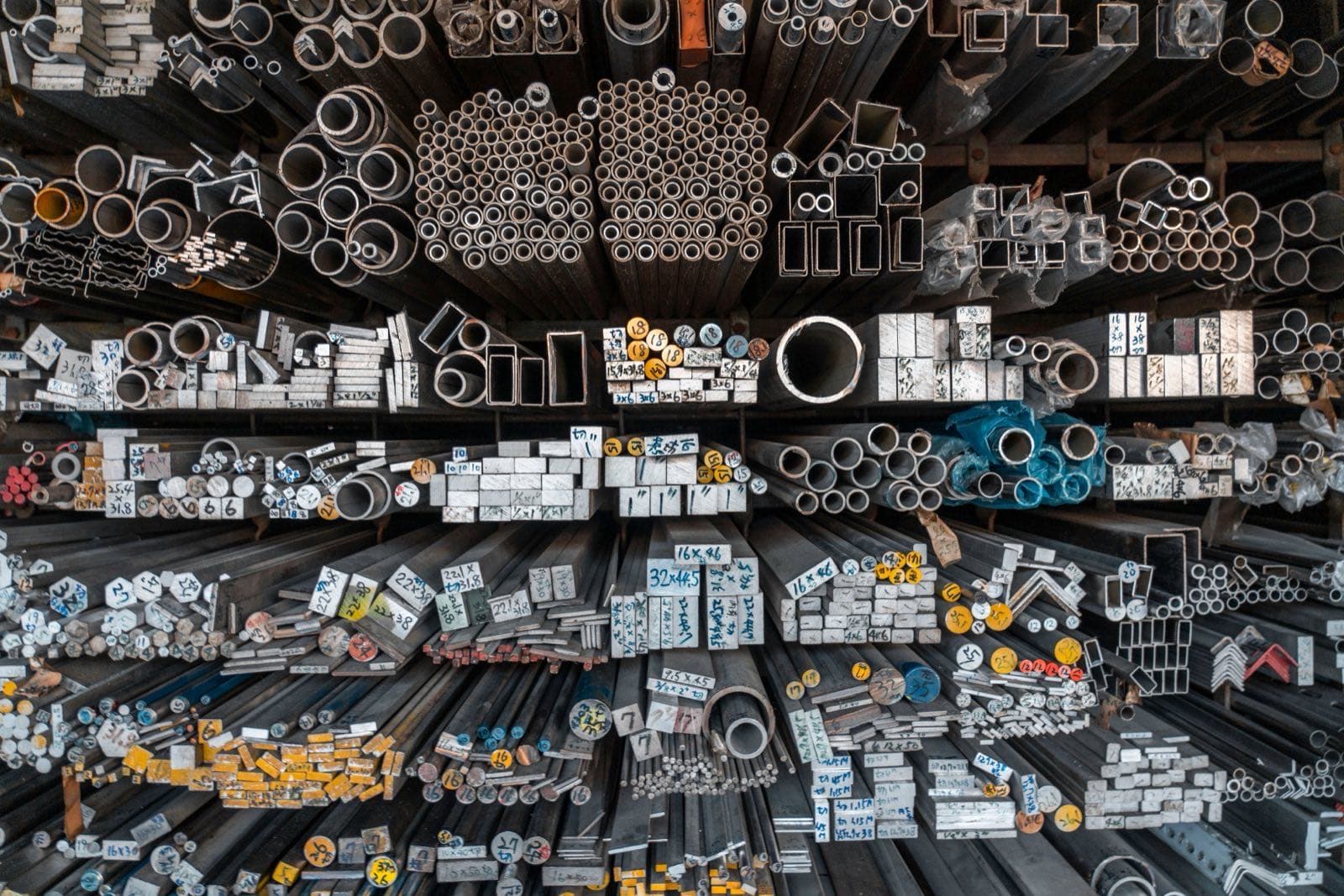
Photo by Jimmy Liao on Pexels
Steel and aluminum got the headlines for years. Copper is the newer entrant to the same legal mechanism, and it changes the maths for a much wider set of importers than most people expect. If your product contains copper wire, copper tubing, or copper fittings — even as one component among many — you now need to check whether a Section 232 measure reaches it, on top of whatever base duty and Section 301 exposure already applies.
What the Section 232 copper measure is
Section 232 of the Trade Expansion Act of 1962 gives the President power to restrict imports found to threaten national security, based on an investigation run by the Department of Commerce. The same legal path that produced the 2018 steel and aluminum tariffs has since been used for copper: Commerce opened a Section 232 investigation into copper imports, found grounds for action, and a presidential proclamation set tariffs on covered copper articles. This is a distinct action from the steel and aluminum proclamations — it has its own investigation, its own findings, and its own product scope — even though the legal mechanism and the general shape of the policy are identical.
This is a live measure. Rates, effective dates, and the exact product list have moved since the initial proclamation and are likely to keep moving. Treat any specific percentage in this article, or anywhere else, as provisional until you check it against the Federal Register notice in force on your entry date.
Start freeWhat does the copper tariff actually cover?
Two categories tend to get folded into a Section 232 copper action, mirroring how the steel and aluminum measures were built. The first is primary or semi-finished copper — refined copper cathode, copper alloys, and copper mill products such as rod, bar, sheet and strip. The second, and the one that catches importers off guard, is derivative products: goods manufactured substantially from covered copper, even though the finished item is no longer simply raw metal.
- Refined copper cathode and copper concentrate — the base mined and refined material.
- Copper mill products — rod, bar, sheet, strip, plate and foil.
- Copper wire and cable — a derivative category with heavy real-world import volume, from bare wire to insulated cable.
- Copper tubing, pipe and fittings — plumbing and HVAC-grade copper components.
- Specific downstream derivative articles named on the Chapter 99 list attached to the proclamation, which Commerce and the US Trade Representative can revise.
A five-person plumbing-supply importer in Ohio who brings in copper fittings from a manufacturer in Vietnam is a useful example of who this actually hits. That importer has never thought of themselves as being in the metals trade, and their fittings might not even be majority-copper by weight once you count the brass and rubber components. But if the fitting appears on the derivative product list, the Section 232 copper duty applies to the full customs value of the finished part — not just the copper content — exactly the way the steel and aluminum derivative rules work today.
| Product category | Copper-related example | Section 232 relevant? |
|---|---|---|
| Primary/refined metal | Refined copper cathode | Yes — directly covered as primary material |
| Mill products | Copper rod, bar, sheet, strip | Yes — typically covered as primary/semi-finished material |
| Wire and cable | Bare copper wire, insulated copper cable | Likely — commonly listed as a derivative category; confirm exact HTS line |
| Plumbing/HVAC | Copper tubing, pipe fittings | Likely — a frequent derivative-list category; confirm exact HTS line |
| Electrical components | Copper-containing electronics, motors, transformers | Mostly not directly named — but check if the specific HTS line appears on the derivative list; partial-copper finished goods can still be swept in |
| Finished consumer electronics | Smartphones, laptops with internal copper wiring | Generally not covered as a finished good — copper content alone doesn't trigger 232; the finished HTS line is what's checked |
Section 232 attaches to the HTS line, not to the fact that a product happens to contain copper. A finished electronic device with copper windings inside is not automatically caught just because copper is a raw material somewhere in its supply chain — but a copper wire, cable, tube or fitting that IS the product very often is. Always check the specific 10-digit line against the current derivative list rather than reasoning from the material alone.
Start freeHow is the copper tariff different from the steel and aluminum measures?
The legal basis is the same statute and the general architecture — investigation, findings, proclamation, Chapter 99 implementation — mirrors the steel and aluminum precedent closely enough that anyone already tracking those measures will recognise the shape of this one. What differs is that copper is a newer, separate action with its own scope, its own effective dates, and its own list of covered HTS lines. Don't assume a product excluded from steel or aluminum coverage is automatically excluded from copper coverage, or vice versa — each measure is evaluated independently against its own proclamation and derivative list.
Read how the original Section 232 steel and aluminum measure works — the same mechanism copper now follows.
Section 232 steel & aluminum explainedWhy derivative products catch importers who don't think of themselves as metals traders
This is the pattern that trips people up every time a new Section 232 action lands. The tariff doesn't just apply to companies buying raw copper cathode for smelting. It applies to anyone whose finished product — a coil of building wire, a box of compression fittings, a spool of HVAC line set — sits on the derivative list, regardless of what industry that importer thinks they're in. A Section 232 copper duty stacks on top of the base HTS duty rate and, for many origins, on top of a Section 301 duty as well. Three layers on one customs value is not unusual once a product is caught by both a country-specific measure and a material-specific one.
Clients ask us why their landed cost jumped when nothing about their product changed. Nine times out of ten it's because a derivative list got updated and their HTS line is now on it — the product didn't change, the tariff scope did.
Work out the full stacked duty on a copper product — base rate, Section 301, and Section 232, each sourced.
Calculate stacked dutyHow do I check whether my copper product is covered?
- Classify your product to its exact 10-digit HTS line — a copper fitting and a brass fitting with copper trim can sit on different lines with different exposure.
- Check that line against the current Section 232 copper derivative list published alongside the proclamation and its Chapter 99 implementation.
- Confirm the current rate and any country-specific treatment for your origin — exclusions and quotas have shifted repeatedly under the steel and aluminum precedent, and copper is likely to follow the same pattern.
- Add the Section 232 duty to your base HTS rate and any applicable Section 301 duty to get the true landed cost, not just the headline number.
What about auto parts and other copper-heavy derivative categories?
Copper wiring harnesses, motors and electrical components are common inside vehicles and appliances, which means the copper measure can overlap with sector-specific Section 232 actions covering finished goods in those categories. A wiring harness manufacturer supplying the auto industry, for instance, may need to check both the copper derivative list for the harness itself and any separate Section 232 auto-parts coverage for the assemblies it goes into. These measures are evaluated independently — being cleared under one does not clear a product under the other.
See how the parallel Section 232 measure on auto parts works, including its own derivative logic.
Section 232 auto parts explainedCheck whether your steel- or aluminum-adjacent copper product is also caught by the metals measures.
Steel & aluminum tariffsWhere to verify the current rate and scope
Because this measure is recent and the product list can be amended by further proclamation, do not rely on any single rate quoted here or anywhere else without checking it. The primary sources are the Commerce Department's Section 232 investigation record, the Federal Register notice publishing the operative proclamation, and the HTS Chapter 99 provisions that implement the scope in classification terms. If you file against a stale rate, the exposure is yours, not the source you copied it from.
Commerce Department / BIS Section 232 investigations — the primary source for scope, findings and product lists.
Commerce/BIS: Section 232Search the Federal Register for the operative copper proclamation and any amendments.
Federal RegisterConfirm the exact HTS line and duty rate for your copper product before you file.
Open the USITC HTSNothing in this article is legal, customs or tax advice. Section 232 measures change by proclamation with little notice, so treat this as a starting map of the mechanism, not a substitute for checking the current Federal Register notice against your specific HTS line.
Start freeFrequently asked questions
Is there a copper tariff separate from steel and aluminum tariffs?
Yes. The Section 232 copper measure is a distinct national-security tariff action with its own Commerce Department investigation and its own presidential proclamation, even though it uses the same legal authority — the Trade Expansion Act of 1962 — as the earlier steel and aluminum measures. A product being excluded from steel or aluminum coverage does not mean it is excluded from copper coverage, and vice versa.
Does the copper tariff apply to refined copper only, or finished products too?
Both, in principle. Refined copper cathode and mill products are typically covered directly as primary material, and a list of derivative products — commonly wire, cable, tubing and fittings — is drawn up to catch goods manufactured substantially from covered copper. The exact derivative list is set out in the proclamation's Chapter 99 implementation and can be amended over time, so always check your specific HTS line.
Do copper-containing electronics like laptops or phones get hit by Section 232 copper duties?
Generally not directly — a finished consumer electronics product isn't swept in just because it contains copper wiring internally, since Section 232 attaches to the classified HTS line rather than to raw-material content alone. Components that are themselves substantially copper, such as bare wire, cable or tubing that go into those devices, are far more likely to be named on a derivative list, so check the component-level HTS lines in your supply chain too.
How does a copper Section 232 duty stack with other tariffs?
It adds on top of your base HTS duty rate and, where applicable, on top of any Section 301 duty for the country of origin, because each measure is assessed on the same customs value independently. A Chinese-origin copper fitting, for example, could carry a base duty, a Section 301 duty and a Section 232 copper duty simultaneously — three layers on one entry.
Where can I check the current copper tariff rate before I file an entry?
Check the Commerce Department/BIS Section 232 investigation page and the Federal Register notice publishing the operative proclamation, then confirm how that scope translates to your specific HTS line via the USITC's Harmonized Tariff Schedule. Because rates and product lists for this measure have already moved since the initial proclamation, treat any percentage you read elsewhere as provisional until verified against these primary sources.
Not sure if your copper-adjacent product is on a derivative list? Classify it first, then check exposure.
Find your HS code