HS code vs HTS code vs Schedule B — the difference
HS is the 6-digit global root, HTS is the 10-digit US import code that sets your duty rate, Schedule B is the export code. Which do you need?
March 5, 2026 · 10 min read
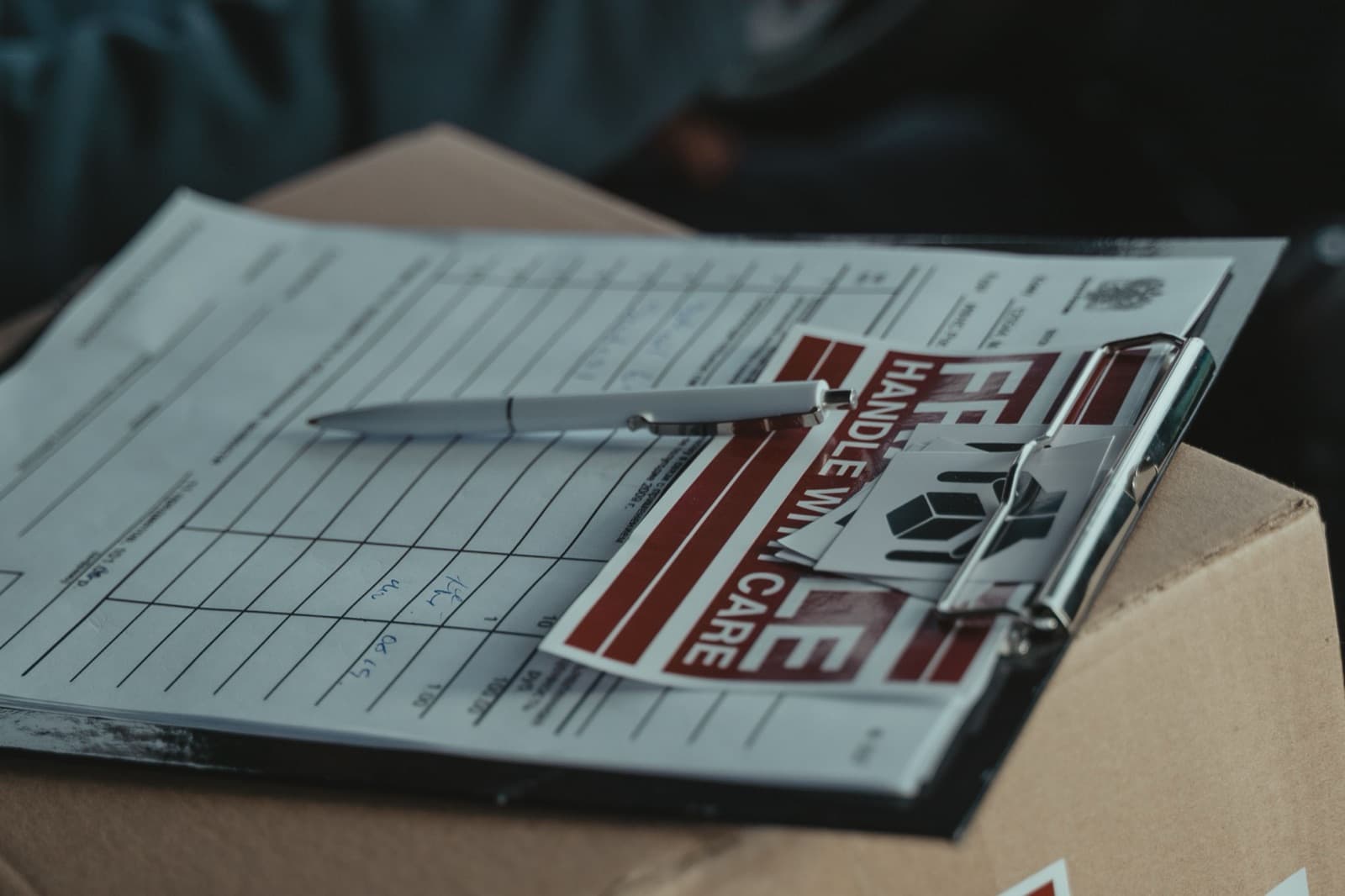
Photo by Tima Miroshnichenko on Pexels
Here is the short answer. An HS code is the six-digit international root that every country recognises. An HTS code is a US import number — ten digits, set by the US International Trade Commission, and it is the one that determines the duty you pay CBP. A Schedule B number is a separate ten-digit US export code, run by the Census Bureau, used to report what leaves the country rather than to charge anything. All three usually share the same first six digits for a given product, which is exactly why people mix them up.
That confusion is not harmless. File the wrong one and an export shipment gets flagged, a broker asks for a correction, or a first-time importer pays the wrong duty for months without noticing. This guide untangles all three, shows a full comparison table, and gives you a simple rule for knowing which code belongs on which form.
What is an HS code?
The Harmonized System is a product-naming standard maintained by the World Customs Organization (WCO) in Brussels. Around 200 countries and customs territories use it, covering roughly 98% of goods moving in world trade. It groups products into 21 sections and 99 chapters, then narrows down to headings and subheadings using a shared logic: what a thing is made of, how it's made, and what it does.
The HS code itself is six digits — for example, 6109.10 for cotton T-shirts, knitted. The first two digits are the chapter (61 = knitted apparel), the next two are the heading (6109 = T-shirts and singlets), and the last two are the international subheading (10 = of cotton). Every WCO member country recognises those six digits for that product, even though each country then builds its own longer national code on top.
Six digits is the ceiling for what's genuinely international. Anything past digit six — the seventh digit onward — is a national extension, and no two countries are guaranteed to structure it the same way.
Start freeRead the fuller breakdown of what the Harmonized System is and how the WCO structures it.
What is an HS codeThe World Customs Organization publishes and maintains the Harmonized System itself — the six-digit root every member country builds on.
World Customs OrganizationWhat is an HTS code, and why does it carry a duty rate?
The Harmonized Tariff Schedule (HTS) is the United States' own extension of the HS, published and maintained by the US International Trade Commission (USITC). It takes the shared six-digit HS root and adds four more digits: a two-digit US subheading and a two-digit statistical suffix, for ten digits in total. This is the number CBP actually assesses duty against when a shipment clears US customs.
So a men's cotton T-shirt that sits at 6109.10 internationally becomes something like 6109.10.0060 on the US schedule — the same first six digits, but two more layers of US-specific detail. Change the fibre content, the knit, or who wears it, and you can land on a different ten-digit line with a different rate, even though the first six digits look identical to a competitor's product.
Import into the US and pay duty = HTS, all ten digits, from the USITC schedule. It's the only one of the three codes in this article that sets a US duty rate.
Start freeA Seattle furniture importer we've seen make this mistake had been quoting customers off the six-digit HS heading for wooden dining chairs from a Vietnam supplier catalogue. The six digits were correct, but two ten-digit US lines under that heading carried different statistical treatment. The importer had filed against the wrong one for most of a year, and their broker caught it during an audit and had to refile.
Find and verify the full 10-digit HTS line for your product, with the current rate and the reasoning behind it.
Find my HTS codeNew to reading a heading, a note or a General Rule of Interpretation? Start with the step-by-step classification guide.
How to find your HS codeWhat is a Schedule B number, and how is it different from HTS?
Schedule B is the United States' export classification system, administered not by USITC or CBP but by the US Census Bureau's Foreign Trade Division. Like the HTS, a Schedule B number is ten digits and built on the same six-digit HS root. But it exists for a completely different purpose: tracking what the US ships out, for trade statistics, not for charging anyone anything.
There is no duty attached to a Schedule B number, because exports out of the US generally aren't taxed the way imports are. Instead, the number feeds the Electronic Export Information (EEI) filing that exporters submit through the Automated Export System (AES) for shipments above the reporting threshold, or when a licence is required. Get the wrong Schedule B number on that filing and the shipment can be delayed at the port while the discrepancy gets sorted out.
Read the full explainer on what a Schedule B number is and when you're required to file one.
Schedule B number explainedHS vs HTS vs Schedule B: the comparison table
| HS code | HTS code | Schedule B | |
|---|---|---|---|
| Digits | 6 | 10 | 10 |
| Administered by | World Customs Organization (WCO) | US International Trade Commission (USITC) | US Census Bureau, Foreign Trade Division |
| Used for | International classification, shared worldwide | US imports — customs entry and duty assessment | US exports — statistical reporting (EEI/AES filing) |
| Sets a duty rate? | No — too short to carry a US rate | Yes — this is the number CBP charges duty against | No — exports aren't dutied the way imports are |
| Who typically uses it | Manufacturers, foreign suppliers, customs authorities worldwide | US importers, customs brokers, CBP officers | US exporters, freight forwarders, Census Bureau |
Do HS, HTS and Schedule B always share the same first six digits?
Almost always, but not with total certainty. Both the HTS and Schedule B are meant to nest cleanly under the international six-digit HS structure, and for the overwhelming majority of products they do. Where it gets messy is past digit six: the US import schedule and the US export schedule were built by two different agencies, for two different reasons, and their seven-through-ten-digit statistical breakouts don't always mirror each other line for line.
That means a valid ten-digit HTS number sometimes has no exact Schedule B equivalent, and vice versa — a handful of product categories split differently on each side. The safe habit is to never assume the last four digits carry across. Confirm the Schedule B number separately when you're exporting, even if you already know the HTS line from importing the same product.
The six-digit HS root is your anchor whenever you're unsure. Get that right and you can always work outward to the correct ten-digit HTS line for import, or the correct ten-digit Schedule B number for export — they both start from the same place.
Start freeCan you use an HTS code on an export filing instead of Schedule B?
Sometimes, and this is where the confusion causes the most practical trouble. US export regulations do allow filers to use a valid HTS number on the Electronic Export Information in place of a Schedule B number in many cases, because the systems are cross-referenced. But it isn't universal. Certain HTS lines have no direct Schedule B correspondence, so the AES filing system will reject the number outright, and you'll need to look up the correct Schedule B classification instead.
A five-person DTC brand shipping accessories from a Los Angeles warehouse hit this exact wall: a new hire copied the HTS number straight off a commercial invoice for a new SKU, and the AES filing bounced. The fix took ten minutes once they found the correct Schedule B line, but it held a container at the port over a weekend.
Customs brokers describe the HS/HTS/Schedule B mix-up as one of the most common — and most avoidable — filing errors they see. It's rarely a knowledge gap about tariffs; it's simply picking up the wrong ten-digit code for the direction the goods are actually moving.
Which one do you actually need?
- Bringing goods INTO the United States and paying duty → the 10-digit HTS code, from the USITC schedule.
- Sending goods OUT of the United States and filing export data → the 10-digit Schedule B number, from the Census Bureau.
- Talking to an overseas supplier, reading a foreign country's tariff schedule, or comparing products internationally → the 6-digit HS root.
Read the plain-English guide to the full Harmonized Tariff Schedule structure — chapters, headings, and how the 10-digit line is built.
The HTS explained in plain EnglishWhere do MFN rates, Section 301 and other add-on duties fit in?
None of that lives in the HS root or in Schedule B — it all attaches to the ten-digit HTS line. The general (Most Favoured Nation) rate is the baseline duty published against your HTS number. Chapter 99 of the HTS then carries additional measures tied to country of origin — Section 301 tariffs on many Chinese-origin goods, Section 232 on steel and aluminium content, and others that shift with policy, sometimes with only weeks of notice. Treat any specific percentage you read anywhere, including this article, as a starting point to verify, not a number to file against blind.
The USITC Harmonized Tariff Schedule is the schedule of record — confirm your rate here before you file, and check Chapter 99 for country-specific add-ons.
Open the USITC HTSFor the current mechanics and status of Section 301 tariffs, check the Office of the US Trade Representative directly.
USTR Section 301 actionsWhat is an HTS number used for besides paying duty?
Beyond setting the duty rate, the HTS number drives most of the downstream decisions in an import shipment. It determines whether a product needs a partner-agency review — FDA for food and cosmetics, USDA for certain agricultural goods, CPSC for consumer products — and it's the field CBP's automated risk-targeting systems key off when deciding what to examine. Trade compliance teams also use the HTS number to track spend by product line, since it's the one consistent identifier that follows a product from purchase order to landed-cost report.
Frequently asked questions
Is an HS code the same as an HTS code?
No. An HS code is the six-digit international root shared by every country using the Harmonized System, while an HTS code is the ten-digit US import extension of that root, published by the USITC. Every HTS code starts with a valid HS code, but not every HS code is a complete HTS code on its own — you need the extra four US digits to classify an import correctly.
Is Schedule B the same as HTS?
No, though they're often confused because both are ten digits and both are American. HTS is for imports and carries a duty rate set by the USITC; Schedule B is for exports and carries no duty, run by the Census Bureau for statistical reporting. They share the same six-digit HS root but their last four digits can differ.
Do I need a Schedule B number if I'm only importing?
No. Schedule B numbers are only required for outbound US export filings through the Automated Export System. If you are strictly importing goods into the United States, you need the ten-digit HTS number instead, and Schedule B is irrelevant to your filing.
Can the same product have a different HTS code and Schedule B number?
Yes, this happens more often than people expect. Although both nest under the same six-digit HS heading, the US import schedule and the US export schedule were built with different statistical breakouts past digit six, so the final four digits can diverge for the same physical product.
Where do I find the official HTS rate for my product?
The US International Trade Commission publishes the Harmonized Tariff Schedule of the United States at hts.usitc.gov, and that is the schedule of record CBP uses to assess duty. Always verify your specific ten-digit line there — plus Chapter 99 for any Section 301, Section 232 or other country-specific add-on duties — before you file an entry.
None of this is legal, customs or tax advice — classification disputes, origin questions and penalty exposure are fact-specific, and a licensed customs broker or CBP binding ruling is the right call whenever real money is on the line. What this article gives you is the map: which code belongs on which form, and where to go to check the number that actually matters for your shipment.
Classify a product once and get the HS root, the full US HTS import line, the current rate and the reasoning — all in one place.
Classify a product free